

TITLE_NAME :
03/21/2026 - 04/12/2026
MEM
NADiff A/P/A/R/T 3F,
1-18-4, Ebisu,
150–0013 Tokyo
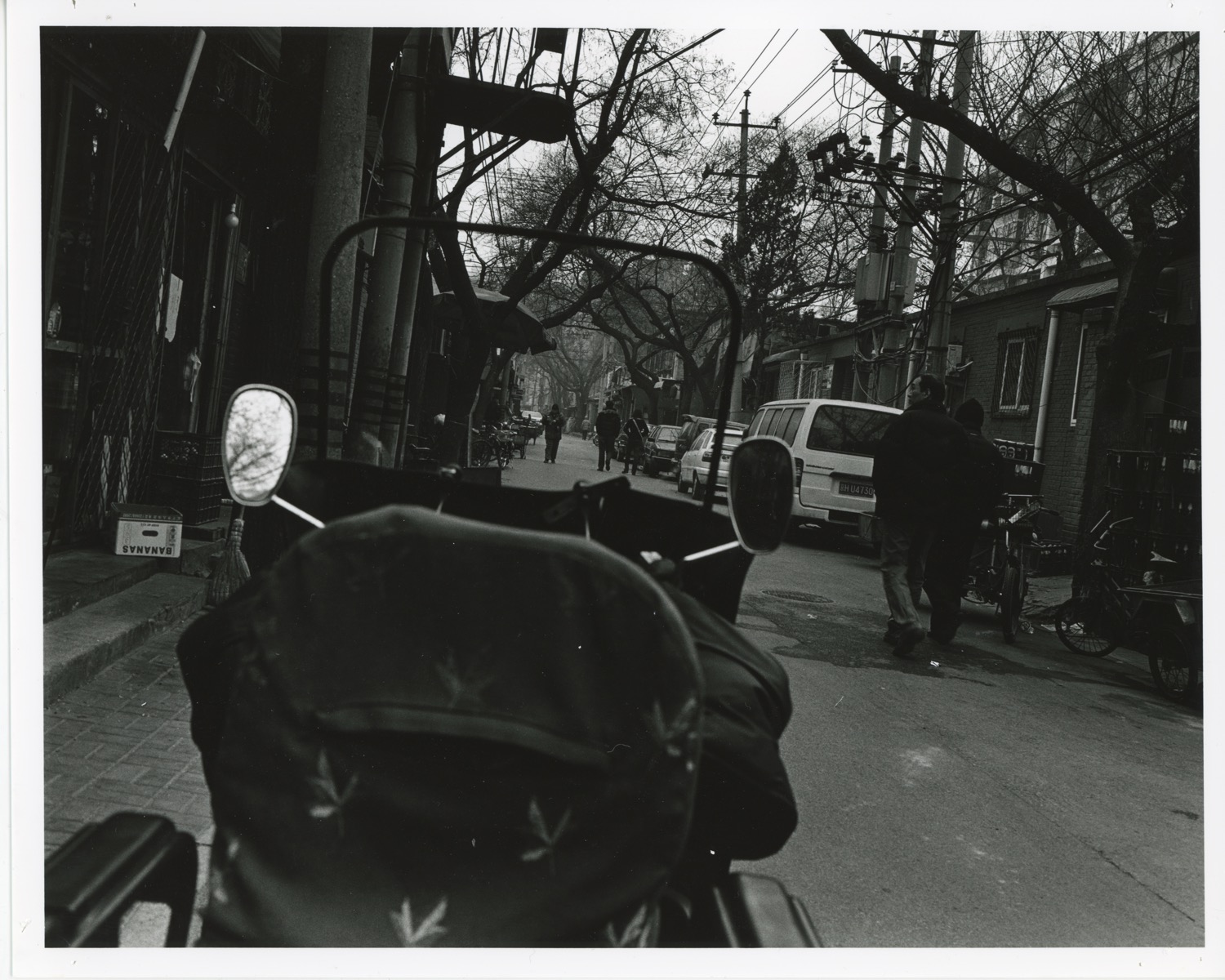
Etsuro Ishihara of ZEIT-FOTO SALON proposed that I photograph the outskirts of Beijing amid the heightened atmosphere of the 2008 Summer Olympics, which I then undertook. The outskirts of Beijing were more desolate than I had expected; they brought to mind the expansive, open landscapes at the foot of Mount Fuji in the film Shôjo geba-geba, directed by Koji Wakamatsu, a pioneering figure in underground cinema (particularly in works set in stark, isolated spaces). The barren expanse at the foot of Mount Fuji in Shôjo geba-geba feels like a vast yet enclosed space without any exterior, in which the protagonists, Hoshi and Hanako, seem trapped within the landscape itself. What we call landscape is something humanity has discovered, yet it confines us within it. Amid the vast landscape at the foot of Mount Fuji, it is I who am being created by the landscape; it is not I who perceives it, but I myself who am seen by it. What the camera captures is a non-subjective landscape that precedes both me and the world, and its very emergence marks the boundary between the two.
MEM
NADiff A/P/A/R/T 3F,
1-18-4, Ebisu,
150–0013 Tokyo
Etsuro Ishihara of ZEIT-FOTO SALON proposed that I photograph the outskirts of Beijing amid the heightened atmosphere of the 2008 Summer Olympics, which I then undertook. The outskirts of Beijing were more desolate than I had expected; they brought to mind the expansive, open landscapes at the foot of Mount Fuji in the film Shôjo geba-geba, directed by Koji Wakamatsu, a pioneering figure in underground cinema (particularly in works set in stark, isolated spaces). The barren expanse at the foot of Mount Fuji in Shôjo geba-geba feels like a vast yet enclosed space without any exterior, in which the protagonists, Hoshi and Hanako, seem trapped within the landscape itself. What we call landscape is something humanity has discovered, yet it confines us within it. Amid the vast landscape at the foot of Mount Fuji, it is I who am being created by the landscape; it is not I who perceives it, but I myself who am seen by it. What the camera captures is a non-subjective landscape that precedes both me and the world, and its very emergence marks the boundary between the two.