

TITLE_NAME :
09/16/2026 - 01/10/2027
Musée du Luxembourg
19 rue de Vaugirard
75006 Paris
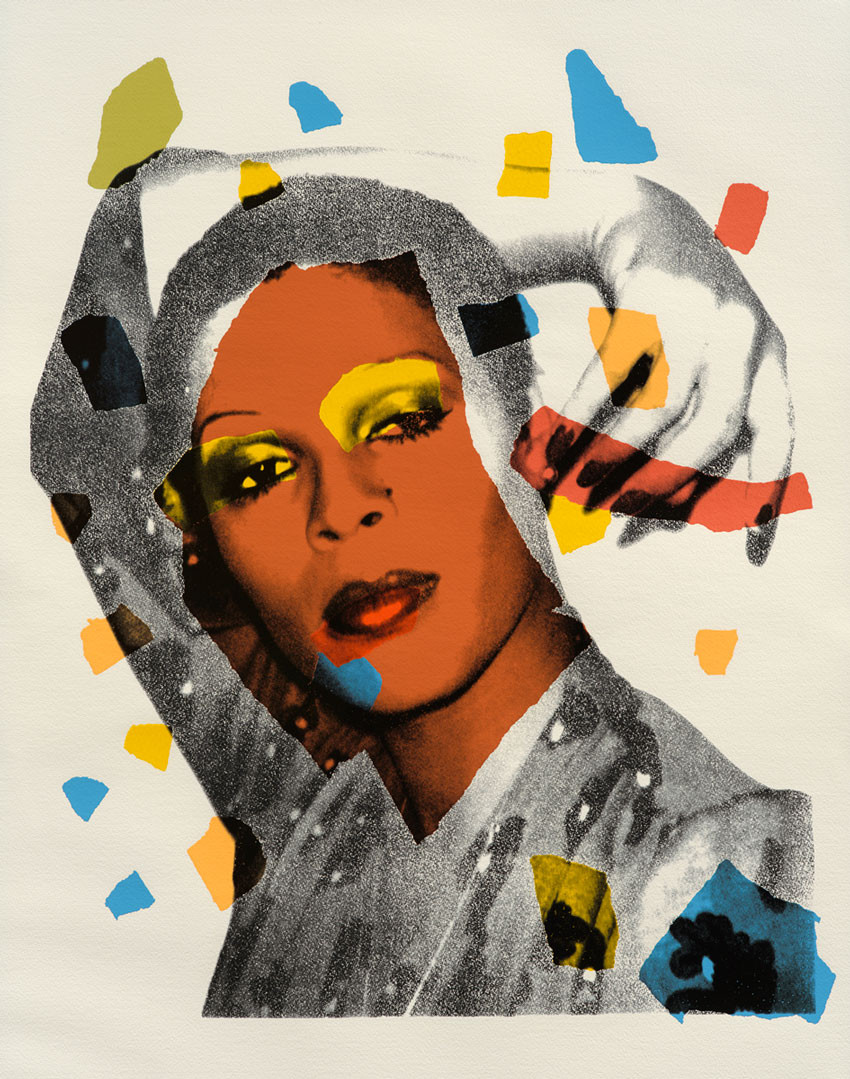
From September 16, 2026, to January 10, 2027, the Musée du Luxembourg will offer visitors the opportunity to explore a little-known aspect of Andy Warhol’s work (1928–1987). Far removed from the screen-printed icons that brought him fame, the exhibition Andy Warhol. Line and Image will highlight a prolific body of graphic work. It will showcase nearly 150 drawings, about ten paintings, screen prints, photographs, and archival documents (scrapbooks and videos), offering an in-depth look into the studio of an artist who never ceased to draw.
Drawing, Matrix of Warhol's Work: Trained in illustration before establishing himself as a central figure in Pop Art, Andy Warhol never abandoned this practice that nourishes all of his work. Long before serigraphy, the line constituted for him a tool for observing and stylizing reality. Even at the peak of his fame, he returned to it regularly, reintroducing his motifs in more free-form compositions. Drawing thus appears as a laboratory where an essential part of his creative process unfolds. Between 1963 and 1973, his graphic works closely interact with painting and cinema, offering an opportunity for narrative experimentation.
Musée du Luxembourg
19 rue de Vaugirard
75006 Paris
From September 16, 2026, to January 10, 2027, the Musée du Luxembourg will offer visitors the opportunity to explore a little-known aspect of Andy Warhol’s work (1928–1987). Far removed from the screen-printed icons that brought him fame, the exhibition Andy Warhol. Line and Image will highlight a prolific body of graphic work. It will showcase nearly 150 drawings, about ten paintings, screen prints, photographs, and archival documents (scrapbooks and videos), offering an in-depth look into the studio of an artist who never ceased to draw.
Drawing, Matrix of Warhol's Work: Trained in illustration before establishing himself as a central figure in Pop Art, Andy Warhol never abandoned this practice that nourishes all of his work. Long before serigraphy, the line constituted for him a tool for observing and stylizing reality. Even at the peak of his fame, he returned to it regularly, reintroducing his motifs in more free-form compositions. Drawing thus appears as a laboratory where an essential part of his creative process unfolds. Between 1963 and 1973, his graphic works closely interact with painting and cinema, offering an opportunity for narrative experimentation.