

TITLE_NAME :
10/20/2026 - 01/10/2027
Jeu de Paume
1, Place de la Concorde
75001 Paris
Since the late 1980s, Stan Douglas has been developing an ambitious body of work that questions the ways in which history is constructed, represented, and transmitted. Through complex narrative devices, he sheds light on the mechanisms by which images shape our perception of reality and reveal the social, political, and cultural tensions inherent to each era.
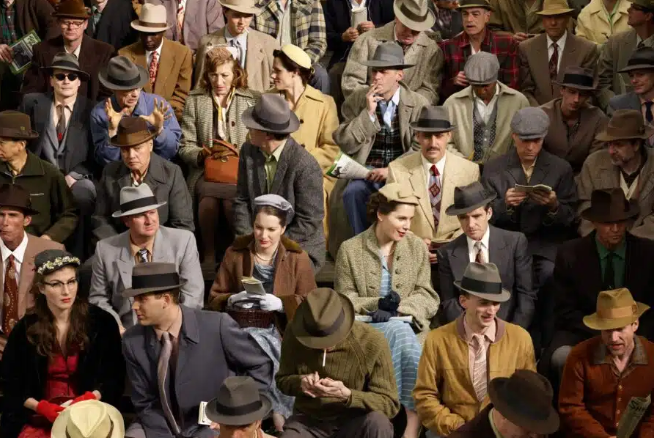
This retrospective—the most significant in Paris in over 30 years—highlights the breadth of Stan Douglas's practice, which combines cinema and video, photography, installation, and theatrical devices. It presents works dating from the 1980s to the present day, including his installations (such as Hors-champs, 1992; The Secret Agent, 2015…) and his photographic series (Crowds and Riots, 2008; Disco Angola, 2012; Penn Station, 2021…). Douglas exploits the codes of these various media to develop a unique language where literature, music, documentary, and fiction intersect. Music—and jazz in particular—is present in many of his works and serves as a privileged lens through which the artist addresses issues of race, class, and social inequality.
Jeu de Paume
1, Place de la Concorde
75001 Paris
Since the late 1980s, Stan Douglas has been developing an ambitious body of work that questions the ways in which history is constructed, represented, and transmitted. Through complex narrative devices, he sheds light on the mechanisms by which images shape our perception of reality and reveal the social, political, and cultural tensions inherent to each era.
This retrospective—the most significant in Paris in over 30 years—highlights the breadth of Stan Douglas's practice, which combines cinema and video, photography, installation, and theatrical devices. It presents works dating from the 1980s to the present day, including his installations (such as Hors-champs, 1992; The Secret Agent, 2015…) and his photographic series (Crowds and Riots, 2008; Disco Angola, 2012; Penn Station, 2021…). Douglas exploits the codes of these various media to develop a unique language where literature, music, documentary, and fiction intersect. Music—and jazz in particular—is present in many of his works and serves as a privileged lens through which the artist addresses issues of race, class, and social inequality.