

TITLE_NAME :
06/20/2026 - 07/25/2026
Gallery Luisotti
818 South Broadway Suite #1001
CA, 900 Los Angeles
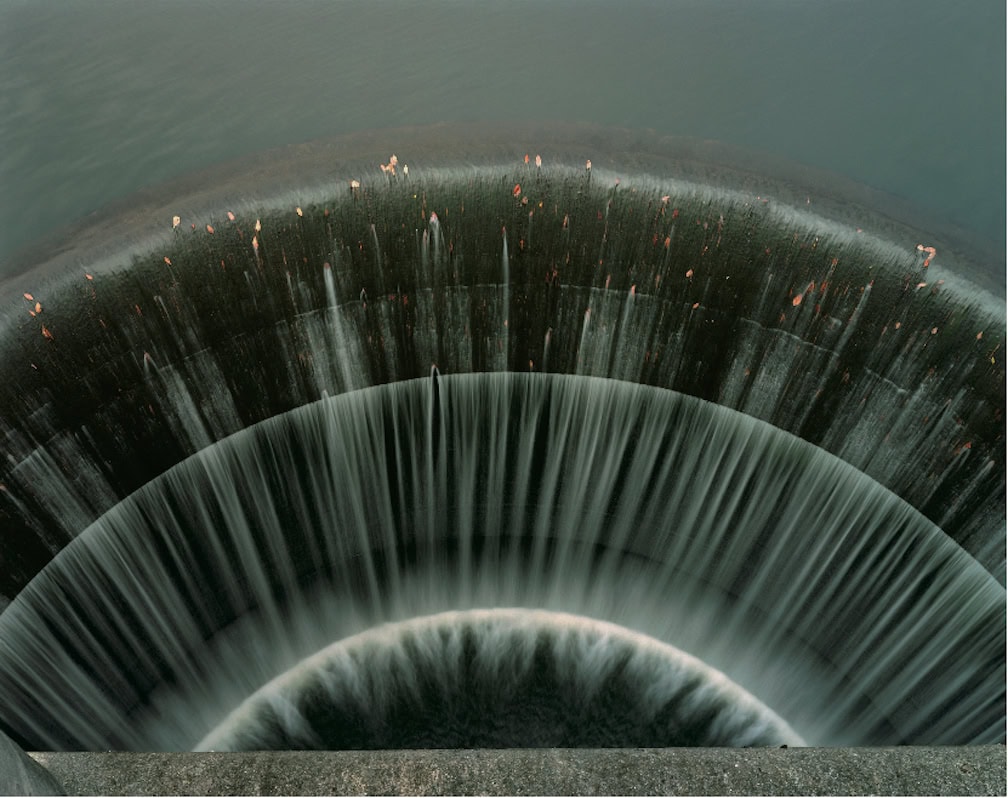
Gallery Luisotti is pleased to present a survey exhibition of photographs by Toshio Shibata, bringing together works spanning more than three decades of the artist's career. Widely regarded as one of the most significant landscape photographers of his generation, Shibata has spent over forty years examining the complex relationship between the natural environment and the structures through which humans seek to shape it. Featuring both black-and-white and color photographs, the exhibition offers a comprehensive view of an artist whose singular vision has profoundly expanded the possibilities of contemporary landscape photography.
Since the late 1970s, Shibata has focused his attention on landscapes transformed by roads, dams, retaining walls, irrigation channels, and other forms of infrastructure. Rather than approaching these sites as symbols of environmental loss or technological progress, he treats them as opportunities for formal investigation, discovering unexpected beauty within the systems that quietly organize modern life. His photographs reveal a landscape that is neither wholly natural nor entirely constructed, but instead exists in a state of continual negotiation between the two.
Gallery Luisotti
818 South Broadway Suite #1001
CA, 900 Los Angeles
Gallery Luisotti is pleased to present a survey exhibition of photographs by Toshio Shibata, bringing together works spanning more than three decades of the artist's career. Widely regarded as one of the most significant landscape photographers of his generation, Shibata has spent over forty years examining the complex relationship between the natural environment and the structures through which humans seek to shape it. Featuring both black-and-white and color photographs, the exhibition offers a comprehensive view of an artist whose singular vision has profoundly expanded the possibilities of contemporary landscape photography.
Since the late 1970s, Shibata has focused his attention on landscapes transformed by roads, dams, retaining walls, irrigation channels, and other forms of infrastructure. Rather than approaching these sites as symbols of environmental loss or technological progress, he treats them as opportunities for formal investigation, discovering unexpected beauty within the systems that quietly organize modern life. His photographs reveal a landscape that is neither wholly natural nor entirely constructed, but instead exists in a state of continual negotiation between the two.