

TITLE_NAME :
09/26/2026 - 02/14/2027
Palais Galliera - musée de la mode de la ville de Paris
10 Avenue Pierre 1er de Serbie
75116 Paris
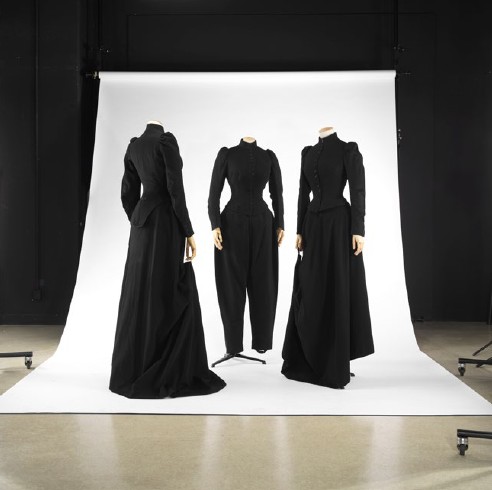
The exhibition "A wardrobe of one's own – Dissident femininities in the 19th century" explores an essential yet often overlooked phenomenon in the history of fashion: the appropriation by 19th-century women—particularly in France and the Anglo-Saxon world—of the masculine fashion codes of their time. The exhibition reveals how these increasingly pronounced borrowings from the male wardrobe accompanied a drive to transform the role of women in society, in connection with athletic practices, social struggles, and the expressions of minority identities through cross-dressing and transvestism. The journey juxtaposes iconic garments and accessories, including Amazonian costumes, trousers, tailored suits, ties, knots, and top hats. The exhibition also features paintings, photographs, and fashion posters that enrich the understanding of the cultural and social significance of the modes of the time. With over 350 works on display, it invites reflection on the role of clothing and fashion in the transformation of social roles and gender identities in the 19th century.
Palais Galliera - musée de la mode de la ville de Paris
10 Avenue Pierre 1er de Serbie
75116 Paris
The exhibition "A wardrobe of one's own – Dissident femininities in the 19th century" explores an essential yet often overlooked phenomenon in the history of fashion: the appropriation by 19th-century women—particularly in France and the Anglo-Saxon world—of the masculine fashion codes of their time. The exhibition reveals how these increasingly pronounced borrowings from the male wardrobe accompanied a drive to transform the role of women in society, in connection with athletic practices, social struggles, and the expressions of minority identities through cross-dressing and transvestism. The journey juxtaposes iconic garments and accessories, including Amazonian costumes, trousers, tailored suits, ties, knots, and top hats. The exhibition also features paintings, photographs, and fashion posters that enrich the understanding of the cultural and social significance of the modes of the time. With over 350 works on display, it invites reflection on the role of clothing and fashion in the transformation of social roles and gender identities in the 19th century.