

TITLE_NAME :
02/26/2026 - 05/24/2026
Fundacion MAPFRE_Barcelona
Avenida Litoral, 30
08005 Barcelona
Walker Evans. Now and Then offers a renewed look at the career of one of the most influential photographers of the twentieth century. In a broad anthology bringing together images made over more than fifty years, the exhibition invites viewers to rediscover the direct, restrained, and analytical gaze with which Evans documented everyday life in the United States. Far from the theatrical, the artist championed precise and honest photography, always attentive to the cultural and social context.
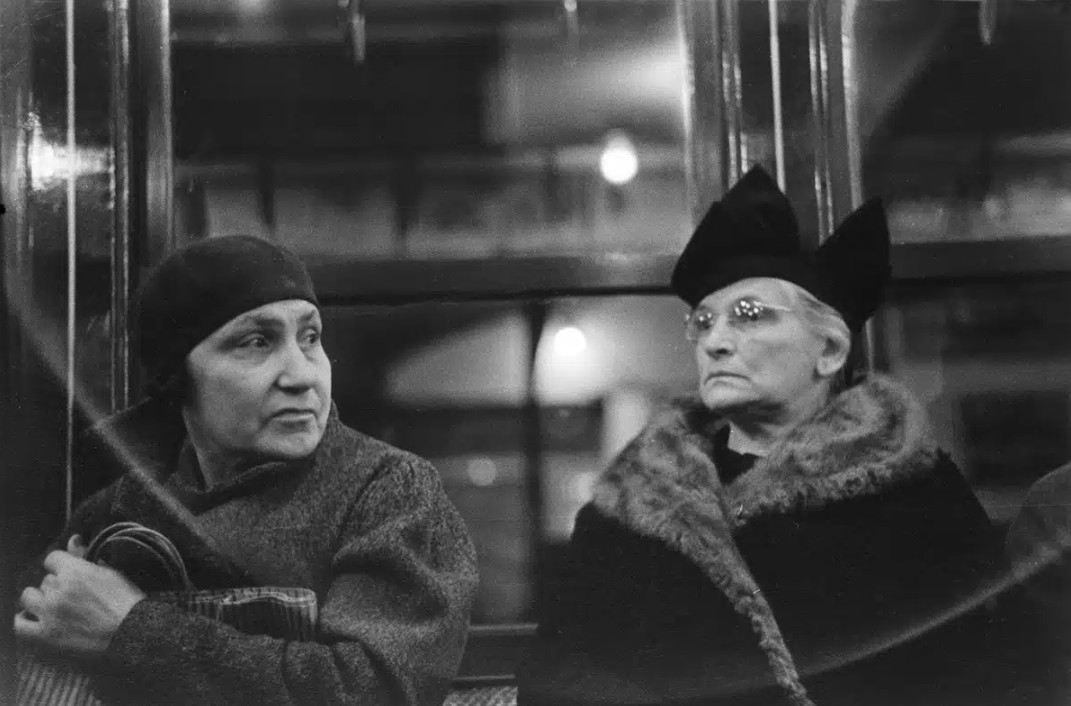
The exhibition is structured around several essential threads of his work: his interest in the signs of the city (shop signs, storefronts, billboards, etc.), through which Evans captured a compelling reflection of the collective identity of his era; anonymous individuals (pedestrians, subway riders, workers), whom he portrayed with a spontaneity that blends formal precision and deep respect for his subjects; and his fascination with modest environments and small towns, where he found an authenticity that large cities tended to obscure. Alongside these major axes of his oeuvre, the exhibition also presents his late experiments with the Polaroid camera, which reveal a more intimate shift without losing the clarity of his vision.
Fundacion MAPFRE_Barcelona
Avenida Litoral, 30
08005 Barcelona
Walker Evans. Now and Then offers a renewed look at the career of one of the most influential photographers of the twentieth century. In a broad anthology bringing together images made over more than fifty years, the exhibition invites viewers to rediscover the direct, restrained, and analytical gaze with which Evans documented everyday life in the United States. Far from the theatrical, the artist championed precise and honest photography, always attentive to the cultural and social context.
The exhibition is structured around several essential threads of his work: his interest in the signs of the city (shop signs, storefronts, billboards, etc.), through which Evans captured a compelling reflection of the collective identity of his era; anonymous individuals (pedestrians, subway riders, workers), whom he portrayed with a spontaneity that blends formal precision and deep respect for his subjects; and his fascination with modest environments and small towns, where he found an authenticity that large cities tended to obscure. Alongside these major axes of his oeuvre, the exhibition also presents his late experiments with the Polaroid camera, which reveal a more intimate shift without losing the clarity of his vision.